Child and Family Division has immediate availability across programs and locations. Serving kids 0-17 years old!
Families can access services without long wait times, and we welcome referrals.
Now Open: Enhanced Outpatient Program (EOP) for Trauma

Enhanced Outpatient Program (EOP) is open to external referrals!
This structured, midlevel program is designed for youth 10-17 with two tracks (middle schoolers and high schoolers), who need more support than weekly therapy but do not require intensive outpatient care. EOP will include:
-
- Multiple weekly therapeutic groups- (3) one-hour groups per week (T,W,TH) (High school track 3:30pm-4:30pm; Middle school track 5pm-6pm)
- Family integration
- Skills based interventions
- Care coordination and step-down support
To make a referral please fill out the form on our referrals partners page and identify in the text box “Youth EOP”
Sneak Peek: Social Media & Gaming Addiction Prevention Group

Launching soon: a prevention focused group for ages 11–13 designed to help young people and caregivers navigate digital life.
Topics will include:
- Healthy technology habits
- Early signs of problematic gaming or social media use
- Emotional regulation and coping skills
- Strategies for digital balance
Stay tuned for full details and referral pathways.
Wraparound & Family Support Services
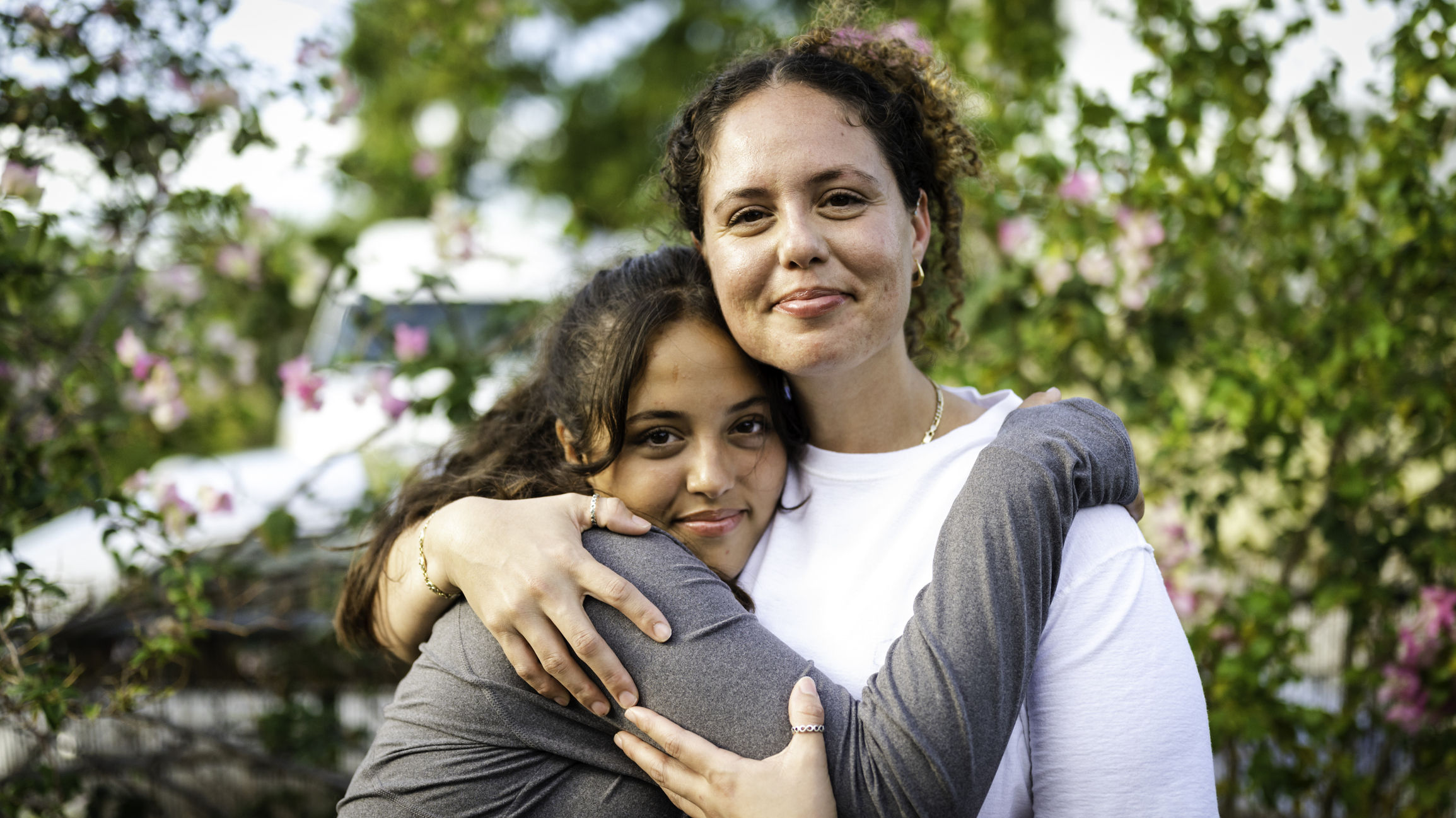
AllHealth Network’s wraparound model ensures families receive coordinated, whole-person care. Our services include:
- Case Management to help families navigate systems and access needed resources
- Parent Peer Support from trained caregivers with lived experience
- Medication Management integrated with therapy and care coordination
- Collaborative treatment planning across all service lines to ensure continuity and support
Human–Animal Interaction Services

Our human–animal interaction program continues to be a powerful therapeutic tool for youth of all ages. Through structured interactions with trained therapy animals, clients experience increased emotional regulation, improved engagement, and a sense of safety and connection.